Eco-Friendly Approaches: How E-Waste Recycling Services Are Preserving Our Planet
E-waste represents a considerable hazard to the environment, as disposed electronics frequently harbor hazardous substances. These hazardous substances can contaminate soil and water, leading to broader ecological damage. Electronic waste recycling programs offer an effective remedy. They serve the dual purpose of reclaiming precious materials and reducing contamination. Understanding how these services operate and their impact on communities is essential. Pursuing efficient e-waste management brings forth pressing questions regarding individual duties and shared responsibility. What measures can be pursued from this point onward?
How E-Waste Is Hurting the Planet
Even though technological advancements improve contemporary living, e-waste creates considerable environmental hazards. Discarded electronic devices, often containing toxic substances including cadmium, lead, and mercury, may release harmful substances into soil and groundwater, presenting dangers to both wildlife and human well-being. The swift progression of technology leads to increased consumer turnover of electronics, exacerbating the accumulation of e-waste.
Landfills, already strained by waste, are unable to keep up with the rising quantities of abandoned electronics. Incineration, a common waste management technique, emits dangerous pollutants into the environment, degrading atmospheric conditions. In addition, improper recycling practices can lead to the exportation of e-waste to developing countries, where laborers may dismantle devices without adequate safety measures, exposing themselves to dangerous substances. This pattern of negligence and mismanagement highlights the critical demand for eco-friendly recycling alternatives that can reduce the damaging impact of electronic waste on the environment.
What Is E-Waste and Its Importance?
E-waste, also referred to as electronic waste, encompasses obsolete electronic products like televisions, computers, and smartphones that have exceeded their operational lifespan. This growing category of waste is significant due to its rapid accumulation, fueled by innovation in technology and shifting consumer habits. As more devices become obsolete, the environmental impact intensifies, with toxic materials such as lead, mercury, and cadmium presenting serious hazards to the environment and human well-being.
The significance of tackling e-waste extends beyond minimizing these risks to recognizing the valuable resources it holds. Valuable metals and rare earth materials can be extracted and repurposed, lessening the demand for mining and preserving natural resources. By understanding e-waste and its implications, individuals and organizations can make informed decisions about disposal and recycling, ultimately contributing to a more sustainable future. Proper management of e-waste is essential for fostering a circular economy and promoting environmental stewardship.
How the E-Waste Recycling Process Works
Recycling e-waste involves a structured approach aimed at reclaiming useful resources while reducing harm to the environment. To begin, discarded electronics are retrieved and sent to specialized recycling facilities. After reaching the facility, the equipment is meticulously organized to separate hazardous components from recyclable materials.
Following this, specialists dismantle the items, recovering metals, plastics, and glass. This step is critical, as it enables the recovery of rare metals like gold, silver, and copper, which are repurposed in new electronic products.
Afterward, the sorted materials are processed through advanced techniques, such as mechanical shredding and chemical processing, to purify them for repurposing.
Ultimately, the residual dangerous materials are managed properly, following environmental guidelines. This multi-step approach not only conserves resources but also reduces the dangers connected to irresponsible electronic waste disposal, ensuring a more sustainable future for electronic device usage.
Why E-Waste Recycling Matters for You and Your Community
Though See details many people are unaware, the benefits of e-waste recycling go far beyond individual benefit and actively shape entire communities. By carefully processing electronic waste, individuals contribute to a cleaner environment, reducing toxic components that can seep into soil and water. This proactive approach helps preserve local ecosystems and supports public health.
In addition, electronic waste recycling supports employment opportunities within local communities. Local recycling facilities often require personnel for various operations, spanning collection through processing, thereby providing employment opportunities within the community. This not only strengthens the regional economy but also encourages community engagement in sustainable practices.
Moreover, awareness of e-waste recycling has the potential to generate awareness campaigns, enabling residents to make environmentally conscious decisions. By participating in e-waste recycling programs, individuals foster a culture of sustainability, prompting others to follow suit. Overall, the shared impact of these actions can result in a more resilient and environmentally responsible community.
How to Select an E-Waste Recycling Service
Choosing the most suitable electronic waste recycling provider is vital for making sure that e-waste is handled in a responsible and sustainable manner. To begin, individuals should verify the company's certifications, such as R2 and e-Stewards certifications, which indicate compliance with established benchmarks for secure waste disposal procedures. Additionally, it is advisable to assess the organization's reputation by reviewing feedback and looking for advice from dependable sources.
Furthermore, openness in the recycling process is crucial. A reliable company should supply straightforward details about the way e-waste is handled and how the materials are utilized. Furthermore, evaluating the range of services offered can be beneficial; certain providers may offer collection services or present rewards for recycling.
Ultimately, being aware of local guidelines related to e-waste disposal can help inform the choice of disposal method. By prioritizing these factors, individuals can contribute to effective e-waste management while also advancing sustainable environmental efforts.
How You Can Take Part in E-Waste Recycling?
Engaging in e-waste recycling can start at the local level, where community recycling hubs regularly supply essential services for proper disposal. Moreover, participating in community awareness campaigns can amplify efforts to educate others about the importance of responsible e-waste management. These initiatives not only advance environmental sustainability but also cultivate a collective sense of responsibility toward the environment.
Nearby Recycling Facilities
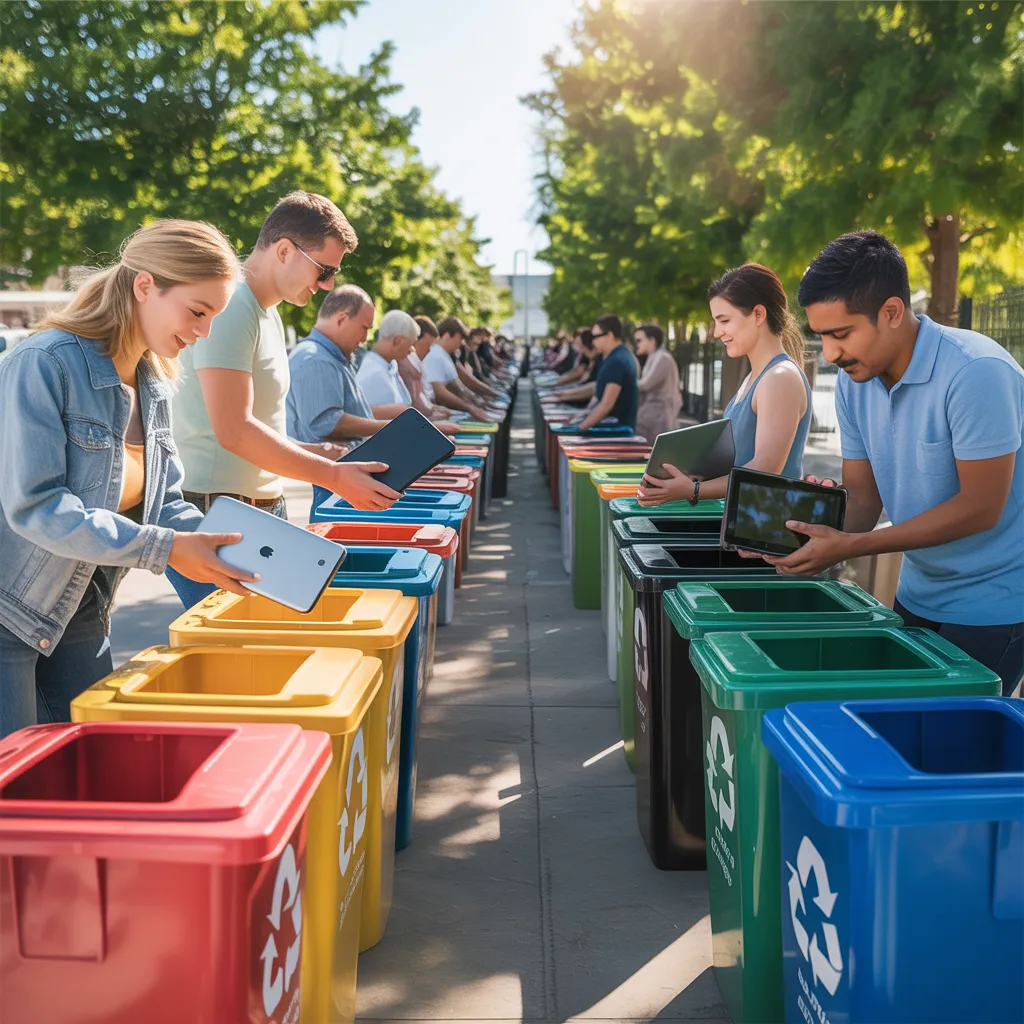
A wide range of community recycling facilities perform an important function in recycling electronic waste, giving communities practical solutions to dispose of electronic waste responsibly. These centers accept a wide array of digital devices, including old computers, smartphones, and televisions, verifying that toxic materials are disposed of safely. Most stations have trained staff who help individuals navigate appropriate disposal procedures, underscoring the benefits of recycling compared to landfilling. Furthermore, various hubs coordinate drop-off events or designated collection days, making it easy for residents to participate. By utilizing these local services, residents support a circular economy, minimizing ecological impact and fostering sustainable behaviors. Working alongside these hubs empowers communities to take action against e-waste pollution effectively.
Community Outreach Campaigns
Community groups, educational institutions, and companies can partner to arrange initiatives that encourage e-waste collection drives. Dedicated participants can take a leading part in raising awareness, sharing informational resources, and connecting with local residents. Through these collective efforts, community members grow more knowledgeable and inspired to dispose of their electronics responsibly, thus playing a meaningful role in creating a more environmentally responsible future.
Frequently Asked Questions
What Electronic Devices Are Eligible for Recycling?
Many different electronics can be recycled, including computers, smartphones, televisions, laptops, gaming consoles, and printers. Additionally, ancillary devices such as batteries, keyboards, and mice are equally appropriate for recycling, contributing to eco-friendly conservation initiatives.
Are There Any Costs Associated With E-Waste Recycling?
That's correct, e-waste disposal can include costs, depending on the facility. Some facilities charge fees for collection or processing, while some providers make services available at no charge, often subsidized by the resale of recovered materials.
How Do Businesses Gain From E-Waste Recycling?
Organizations can gain from e-waste recycling by minimizing disposal costs, enhancing their environmental image, adhering to regulatory requirements, extracting valuable resources, and possibly earning income through resale, thereby fostering a more environmentally responsible business approach.
What Happens to Data on Recycled Devices?
Details on repurposed devices is frequently permanently erased or obliterated during processing. This confirms confidential data stays protected, blocking unwanted intrusion while permitting resources to be recycled carefully and ethically within new applications.
Is It Possible to Recycle Damaged Electronics?
Indeed, damaged electronics can be recycled. Several recycling centers take in non-functioning devices, providing proper disposal and recovery of valuable materials. It helps minimize environmental impact while fostering sustainable recycling habits to manage electrical waste responsibly.